@Diego just to be clear I do feel like the way this has broken is not an optimal customer/developer experience. I don't think upgrading versions should break in this way.
If it is a single flow and there is no relative imports, it would be a single dependency job. If that dependency job has finished then the flow should be viewable as deployed
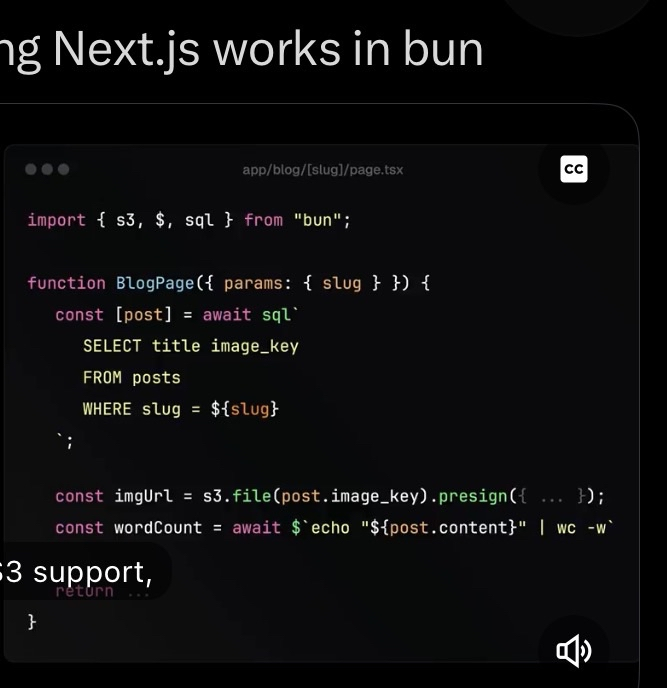
Have you thought about Bun to build/serve the raw apps, @rubenf? (Iβve actually been using raw apps to iframe to a subdomain with a cookie.) Was reading through some of the raw apps branch and was just curious?
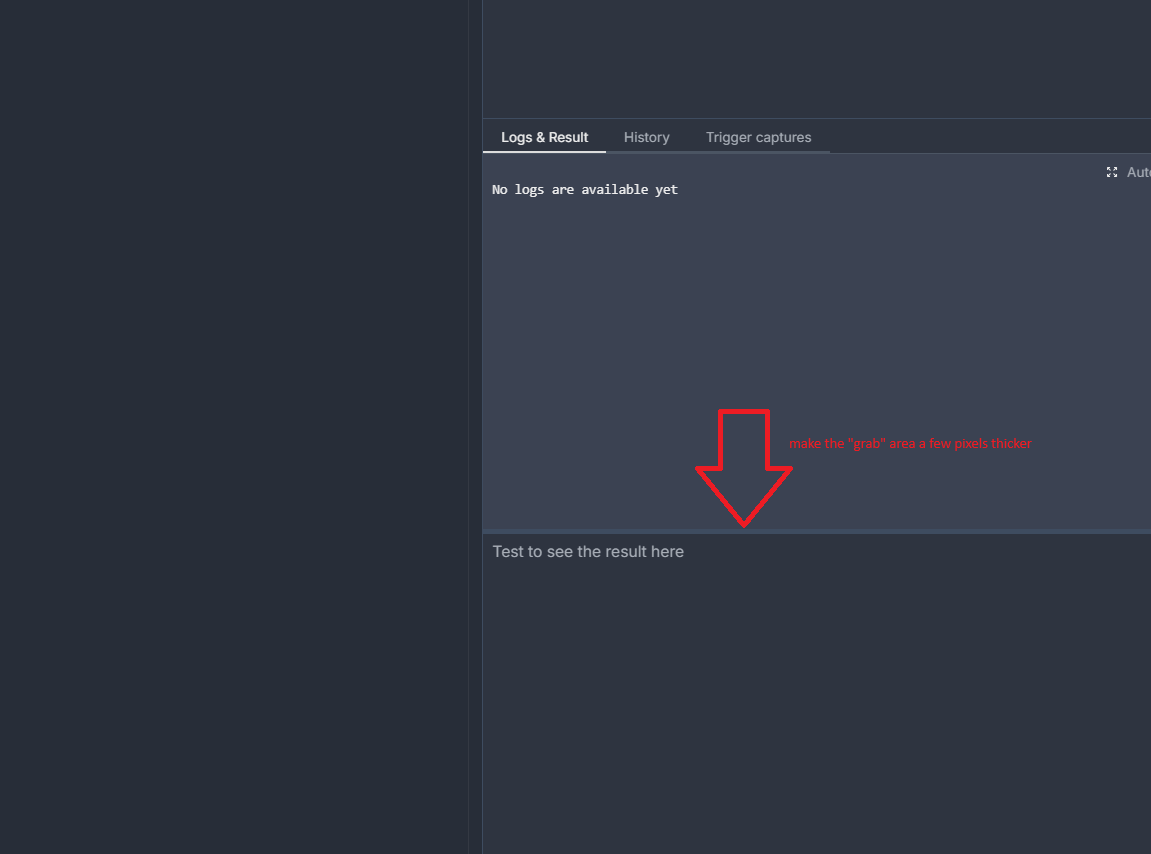
excited for the ui polish, wanted to suggest some attention on this tiny papercut I run into a lot. Resizing these panes can be hard especially on high resolution/remote desktop.
I have a git repo that i create and work with wmill scripts. I also have the windmill instance setup in a docker compose in said repo. I sync this repo between home and work machines. So home instance of windmill is not the same as the work instance. They should be configured the same and use the same workspace encryption key. I do a git pull, then wmill sync push. However files that were deleted keep showing back up, and im still having the issue where .sh scripts are not adding the input parameters to the yaml file. I have also tried git pull, wmill script generate-metadata, wmilll sync push with same results. Am I not doing something right?
Every steps you've described should be easy to debug if something is going not as expected @IceCactus as it's very explicit. Also try with a more minimal example and see.
if I specify a resource as an input to a flow, how can I extract the properties of that resource to pass to a script? im currently using this: resource(flow_input.ftp_resource.replace('$res:', '')).host which works, but one would think you should be able to do flow_input.ftp_resource.host